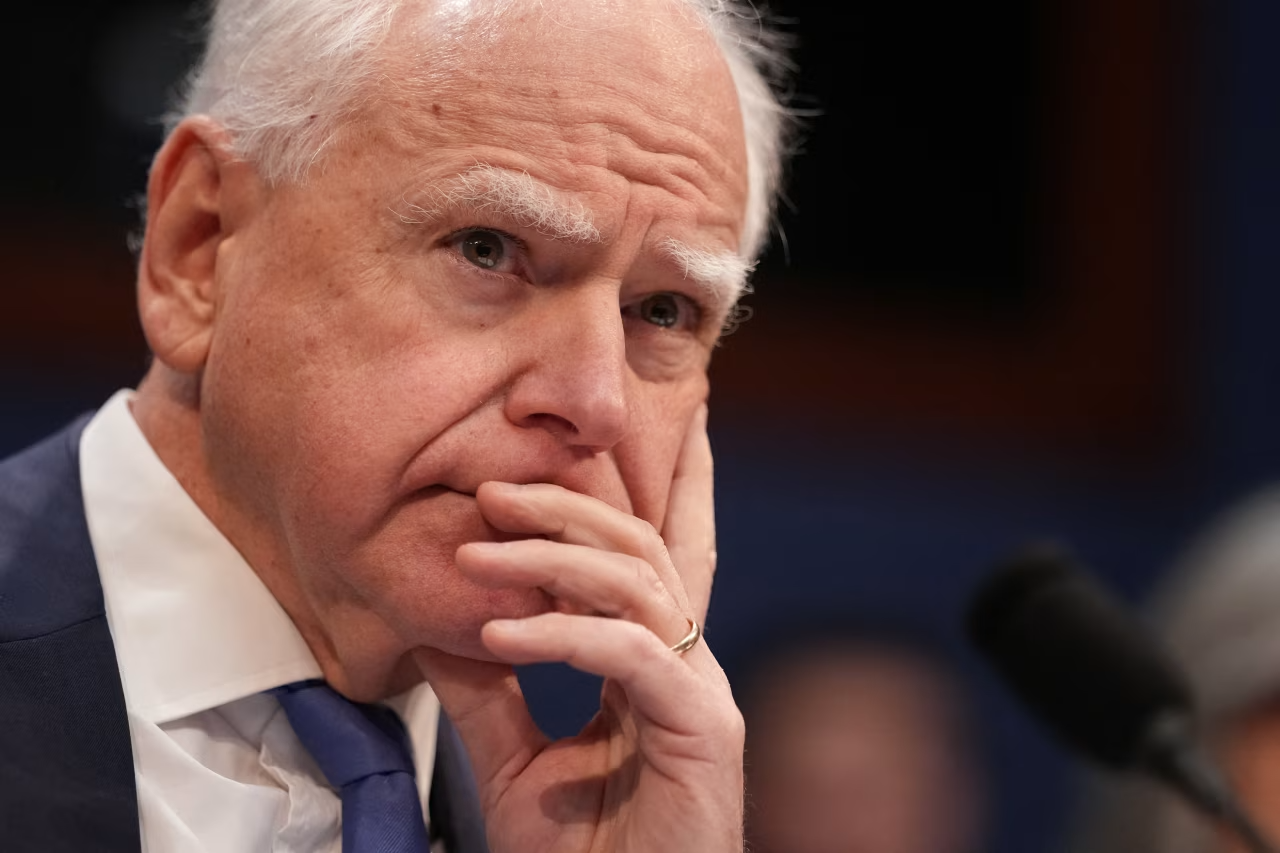

Tim Walz Has Hit the Wall
Riots, fraud and economic stagnation—Minnesota has had it rough. Brighter skies could be ahead.
By Jim Schultz
Wall Street Journal
Minnesota used to be a model for other states. That may sound strange to anyone who knows the North Star State from footage of Minneapolis burning in 2020, headlines about staggering welfare fraud, and Gov. Tim Walz’s buffoonish performance on the national stage. But in earlier decades Minnesota was an American success story with world-class companies, high civic trust, a remarkable education tradition and a broad middle class.
For nearly eight years the state has been badly governed and badly embarrassed. The central figure in that story is Mr. Walz—the man Democrats put forward in 2024 to be a heartbeat from the presidency. He is wrapping up his final months as governor.
Mr. Walz launched a campaign for an unheard-of third term in September, before abandoning it four months later as the state’s fraud scandals multiplied. His term expires in January, and many Minnesotans will be relieved to see him go. Mr. Walz’s approval rating sank to 39% in a June poll, with a majority disapproving—the worst of his tenure. Another poll found 67% of Minnesotans said Mr. Walz was right to quit the race.
The inflection point was 2020. The riots following George Floyd’s death were a civic catastrophe. Businesses burned, and damages reportedly totaled more than $500 million. It was among the costliest civil disturbances in American history. People died. Law-abiding residents watched the most basic guarantee of government—public order—fall to pieces. The harm was physical, financial and reputational. The world learned that Minnesota’s leaders wouldn’t protect their own people when it mattered most. And the damage to public safety persists: The state recorded 170 murders in 2024, up 45% from 2019.
Then came the fraud. Feeding Our Future—a roughly $250 million theft from a child-nutrition program—wasn’t an accounting error. It was a historic failure of governance. Under Mr. Walz, warnings were missed, ignored or inadequately acted on. Minnesota’s nonpartisan auditor found the state Education Department’s oversight of the program inadequate.
The U.S. Treasury said Minnesota’s child-nutrition fraud alone could exceed $300 million. Investigators uncovered suspected fraud across other state programs, including autism services, housing aid and Medicaid. Minnesota’s then-acting U.S. attorney, Joe Thompson, lamented that “our state is far and away the leader in fraud now and everyone sees it.” Mr. Thompson would later estimate that the state’s total fraud could surpass $9 billion.
Mr. Walz’s economic record completes the picture. Since 2018, Minnesota’s nonfarm jobs have grown 2.8% against 7% nationally. The state imposes the seventh-heaviest state and local tax burden in the country. In 2023, handed one-party control and a projected surplus of more than $17 billion, Mr. Walz and the Legislature spent it all—and more. Forecasts projected a deficit approaching $6 billion before a newly split legislature began clawing the budget back toward sanity.
I’m a Minnesota business leader who believes deeply in this state. Minnesota’s private sector remains extraordinary: brilliant entrepreneurs, disciplined family businesses, innovative medical and technology companies, farmers who feed the world. The real Minnesota isn’t what has been showcased on TV and social media.
That Minnesota deserves better than Tim Walz. The national left liked him because he embodied an archetype: the folksy, flannel-wearing schoolteacher who made progressive policies sound like common sense. But American voters should study the results before the next homespun so-called moderate asks for their trust.
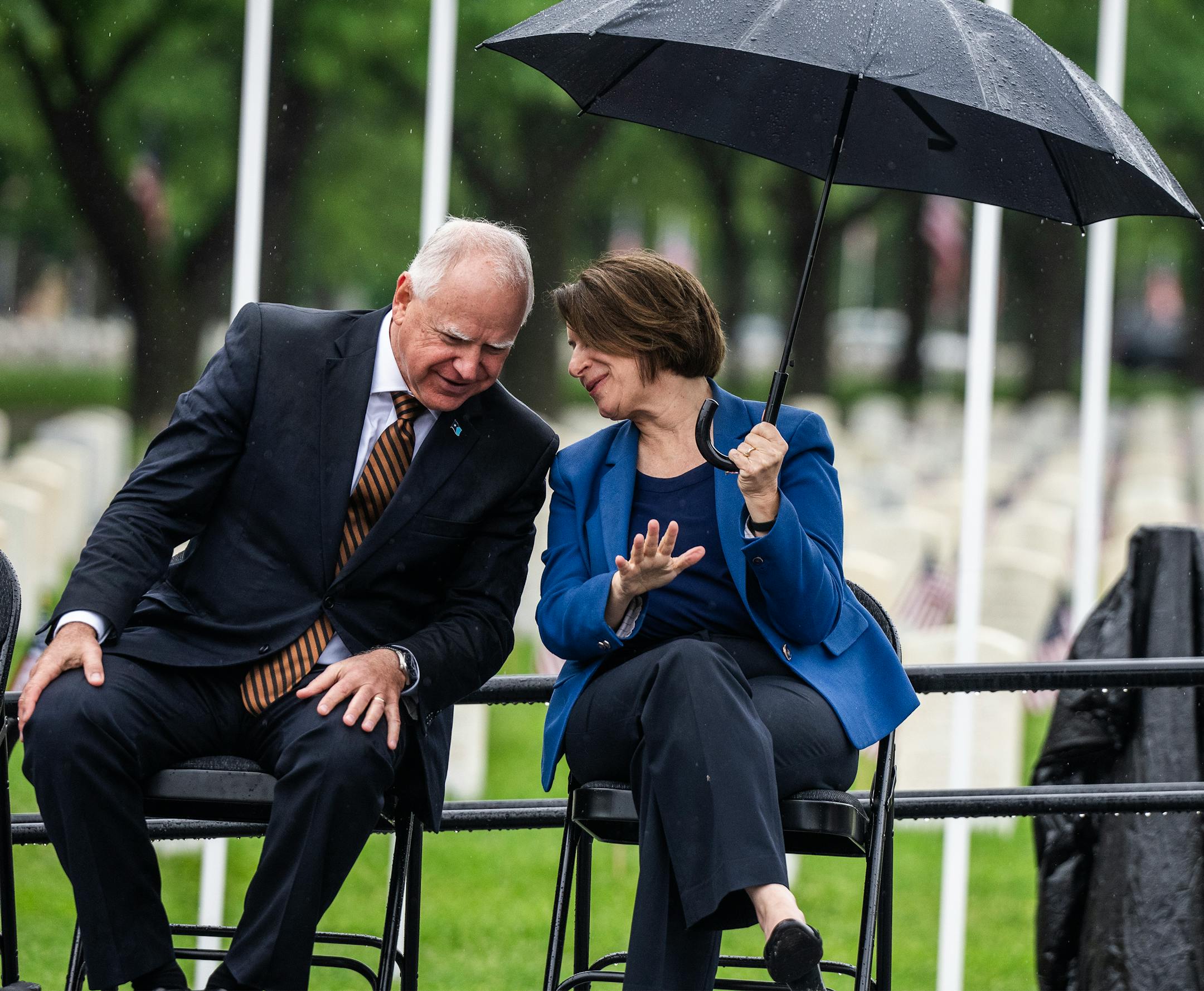
Democrats have now endorsed Sen. Amy Klobuchar for governor. She is smart and disciplined and leads in early polling. She has also begun to distance herself from Mr. Walz, saying she would have moved faster against the fraud. The question is whether, if elected, she would break from the political culture that enabled the Walz years—the interest groups that dominate St. Paul, the reflex toward higher taxes, the allergy to accountability, the kookiness that becomes cable-news fodder.
Minnesota’s fall is recent. It isn’t permanent. The state isn’t defined by burned buildings, stolen public money or a governor who treated accountability as optional. Minnesota is better than its departing leadership, and we will prove it.
Mr. Schultz is president and CEO of the Minnesota Private Business Council and a contributing columnist at the Minnesota Star Tribune.
Riots, fraud and economic stagnation—Minnesota has had it rough. Brighter skies could be ahead.
The voices of Minnesota’s employers and taxpayers are being overwhelmed by coastal billionaires and powerful unions.


The now-reflexive hostility of hard-left elements of the environmental lobby to any data-center development is having serious repercussions for our state.

On our country’s 250th birthday, let’s focus on confidence instead of self-contempt.
She is portraying herself as a moderate, but so did Walz before he was elected and then governed from the hard left.
Minnesota’s founders included the single-subject rule for a reason: to prevent exactly this kind of legislative logrolling, where unrelated policies are crammed into one massive bill.