For decades in our nation there has been a fashionable self-flagellation that now passes for sophistication. It is an outlook consumed by this country’s sins. Slavery was a monstrous evil. Jim Crow was an assault on our own creed. But our greatness is found not in perfection but in the integrity of our ideals and in our common pursuit of a fuller expression of them. We fought a civil war to end slavery. We amended our Constitution. We confronted segregation. Again and again, our own founding principles have forced us to become more fully who we are.
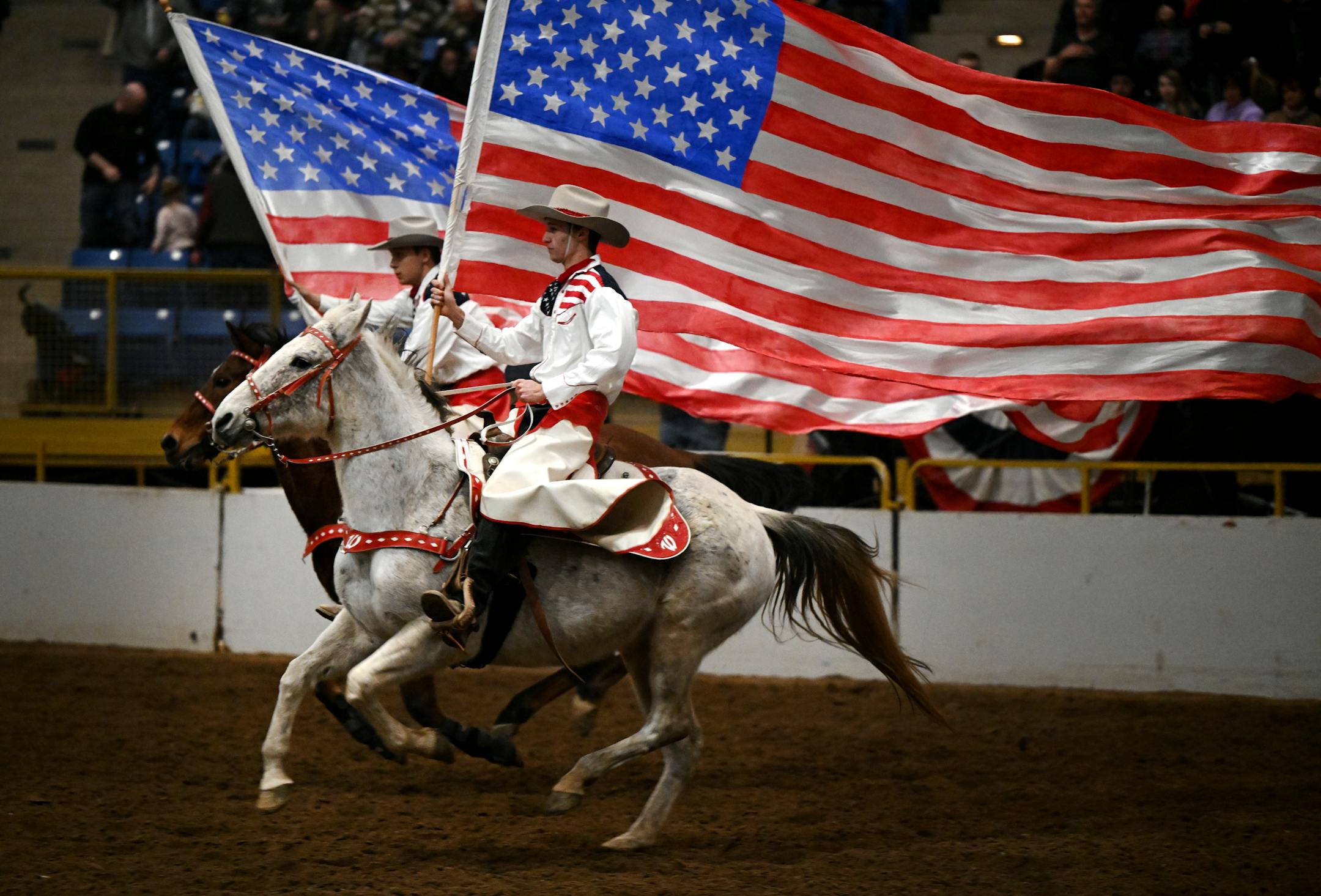
When I was a kid in rural Minnesota, the playing of Lee Greenwood’s “God Bless the USA,” a reverence for the American flag and other unabashed expressions were part of the cultural fabric. Today one doesn’t have to look far in academia, traditional media or in politics for such expressions to be treated with a smug derision.
A former president once said he believed in American exceptionalism “just as” he suspected the British believed in British exceptionalism and the Greeks in Greek exceptionalism. He was and is wrong. American exceptionalism is not simply the affection any people has for home. It is a claim about a nation founded not on blood and soil, but on universal truths; not on tribe, but on liberty under law. We have together built something unique in world history.
Confidence in ourselves is needed because our challenges are real. We are a polarized nation. A lot of our civic participation now takes place on social media platforms whose algorithms do not reward thoughtful discussion, to say the least. We have fundamental disagreements about the appropriate courses for our country to take, and we have too often allowed our patriotism to rise or fall depending on which party occupies the Oval Office. There is decreasing confidence in the institutions — political, economic and cultural — that have been central to our national life together.
The artificial intelligence revolution — a revolution likely to be as fundamental as that of the Industrial Revolution — will test us in ways we are only beginning to understand. AI is likely to unlock cures, unleash immense productivity and give individuals dramatically greater capability to lead prosperous lives. But it could also concentrate power, manipulate people and displace workers.
American principles are not relics in this new era. They will be essential safeguards. Liberty, limited government, the defense of the individual, free inquiry, moral truth and the belief that human beings possess dignity before the state are precisely the ideas humanity will need in the brave new world ahead.
Two hundred and fifty years is a long time in national life, but the United States is not old. It remains young, both in comparison to other nations and because it remains unfinished. The question is not whether the next 250 years will happen. They will. It is whether we will continue to embrace the ideals that breathed life into our nation and sustained us through time.
We are a great nation comprising a great people. We should enter this anniversary with immense confidence in, and gratitude for, our inheritance as Americans and the future we can build together. We are a great nation comprising a great people. We should enter this anniversary with immense confidence in, and gratitude for, our inheritance as Americans and the future we can build together.
Jim Schultz
Contributing columnist
Jim Schultz is a contributing columnist for the Minnesota Star Tribune. He president and CEO of the Minnesota Private Business Council.