In April 2020, tech builder Marc Andreessen published an essay whose title doubled as a challenge: “It’s Time to Build.”
Writing during the first months of the pandemic, Andreessen argued that shortages of medical equipment and supplies and hospital capacity exposed something deeper than a temporary emergency. This country possessed extraordinary wealth, technology and talent, yet struggled to translate those advantages into tangible things at the scale and speed required.
His indictment extended well beyond the pandemic. America did not build enough housing in its most prosperous cities, enough factories to secure critical supply chains, enough energy infrastructure, or enough schools or transportation systems. Projects that were technically possible and economically valuable became trapped in regulation and institutional inertia.
It was a bipartisan “inability to build.” The United States had become better at producing reasons not to build than at producing the things its people needed.
He was right.
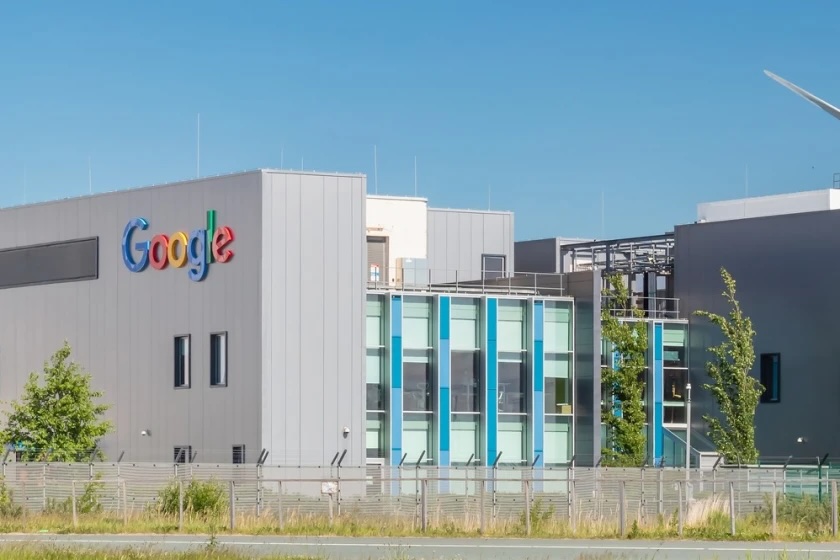
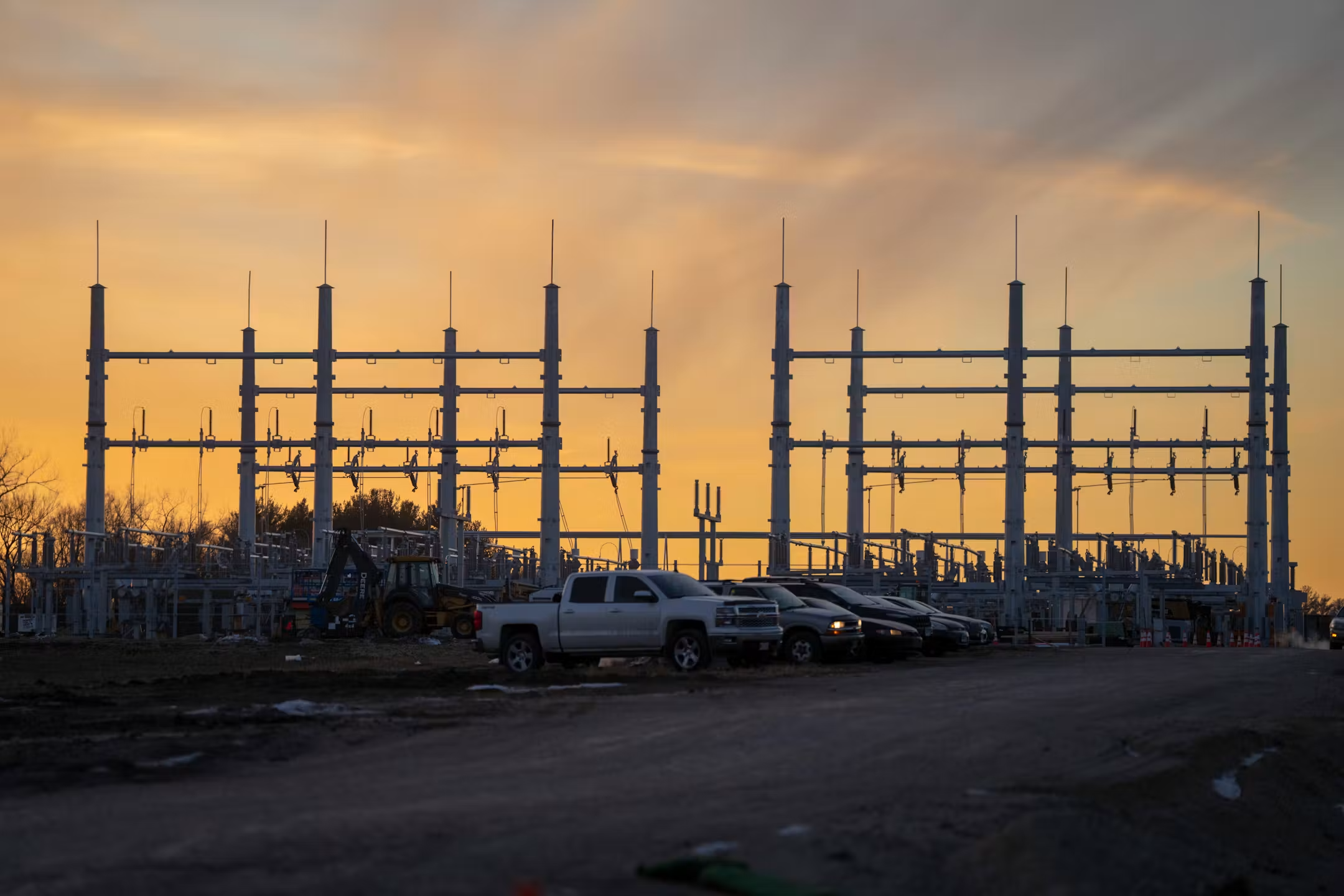
Six years later, artificial intelligence has given Minnesota and the United States an opportunity to build that comes around at most once in a century. But this revolution depends on physical infrastructure: power plants, transmission lines, data centers.