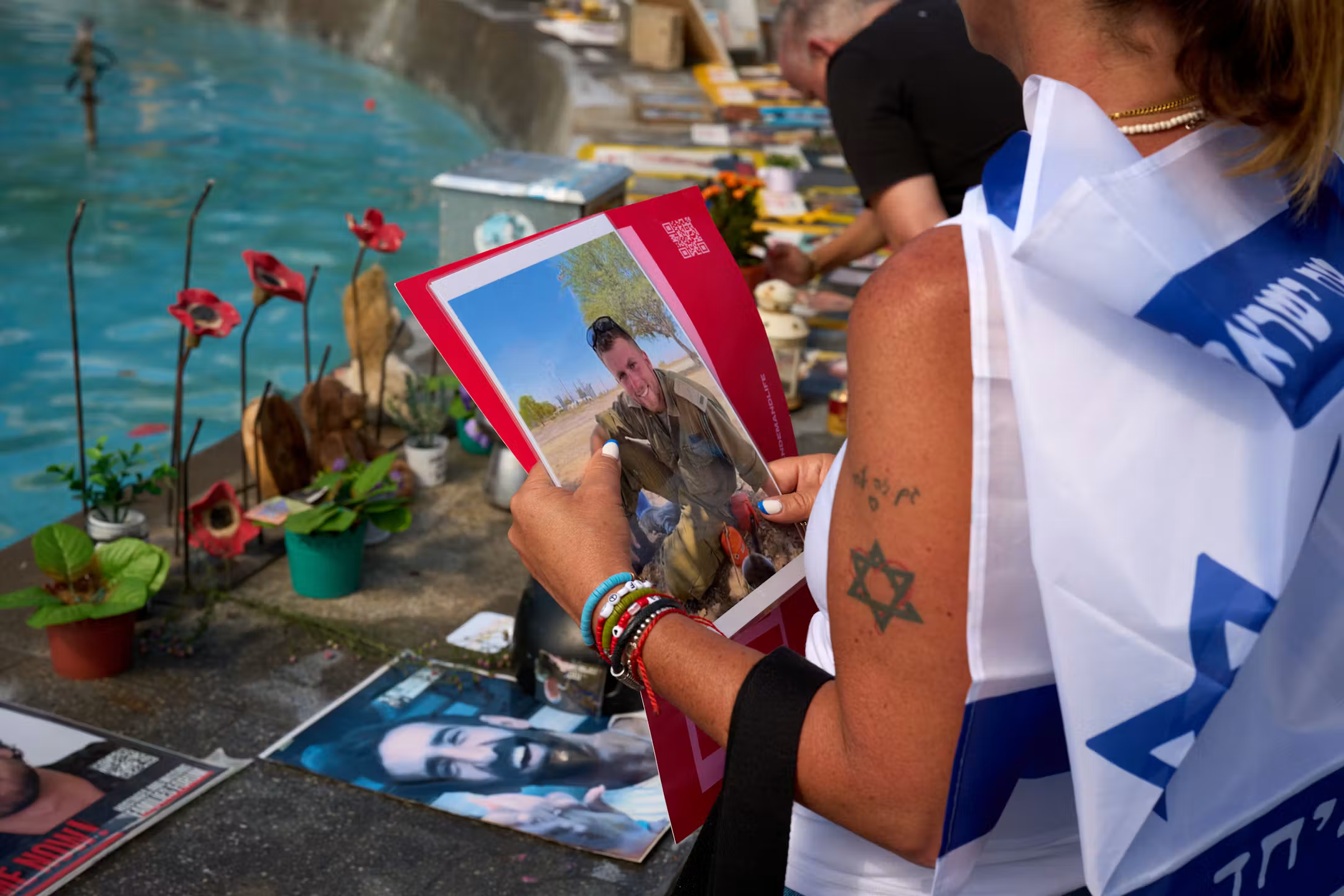
Nine-month-old Mila Cohen was shot dead in her mother’s arms. At another home, terrorists threw a grenade into the shelter where Gil Taasa had taken his two young sons. Taasa was killed. The boys emerged wounded and bloodied. As they pleaded for help, a terrorist helped himself to a drink from their refrigerator.
Seventy-four-year-old Bracha Levinson was killed in her home. Her attackers posted footage of her dying on her own Facebook account, where her grandchildren saw it.
About 1,200 people were murdered, and countless women were raped and brutalized in the Hamas-led attack on Israel.
On this third anniversary of Oct. 7, these stories — representative examples of the barbarity of that day — are painful to revisit. But we need to stare squarely at them. We owe the victims the honesty of remembering what was done to them. And we should reflect on what is driving the current manifestations in our nation of the ancient virus of anti-Jewish hatred.
Since that day, we have seen some try to explain the attackers’ motivations as rooted in poverty or maltreatment by the state of Israel. That is absurd. Millions endure grinding poverty, repression and war without raping and murdering their neighbors. Treating atrocities as a predictable response to hardship is insulting, as though suffering strips people of conscience and choice.
More than an excuse, it is a distraction. It shifts attention from the victims to the grievances of their murderers; from the ideology and mass delusion that made Jewish people targets to the circumstances of the men who targeted them. The responsibility for the brutality of that day rests with the perpetrators and the institutions that taught them to hate and kill.